
Embarking on a journey through Australia, my wife and I set out for Cairns during the southern winter, covering an average of 300 km per day. Our passion for birdwatching led us to plan birding days between drives. This year, we opted for a BYD Atto 3 Extended Range EV, ensuring we had access to fast DC chargers along the route.
![EVTRAVEL Mobile Wallbox/Charging Station, Type 2 Charging Cable [8-16A], Portable Charging Cable Type 2 for Electric Vehic...](https://m.media-amazon.com/images/I/71PNOXW4XvL._AC_UL320_.jpg)
Our coastal route choice enhanced the driving experience, offering better road handling and reduced noise levels. The EV’s performance, coupled with the evolving charging infrastructure, made the trip more enjoyable and less strenuous, especially for mature travelers like us.
![dé EV Charger Type 2 8M [3.5 kW, 10A to 15A Adapter] Portable EV Charger with Australian 15A EV Charging Cable, Compatible...](https://m.media-amazon.com/images/I/71dP+KE1OXL._AC_UL320_.jpg)
While the EV’s WLTP range was around 420 km, practical considerations like highway speeds and charging infrastructure limitations reduced the effective range to approximately 350 km. Managing charging stops became crucial, with a preference for fast DC chargers over slow AC chargers to minimize downtime.
![EV Charger Type 2 [3.5 kW, 15M, 10A to 15A Adapter] dé Portable EV Chargers with Australian 15A Charger EV, Adjustable Cur...](https://m.media-amazon.com/images/I/71dsqAbHIBL._AC_UL320_.jpg)
Charging infrastructure challenges were evident, with disparities in charger availability and reliability across different regions. The need for adequate charging stations, especially fast DC chargers, to support the growing EV market was highlighted.

Slow AC chargers, dubbed “Granny Chargers,” posed safety concerns and logistical challenges for EV users on long journeys. The reliance on destination chargers and fast DC chargers underscored the need for a robust charging network to support seamless travel.

Encountering charging issues on the road exposed the vulnerabilities of the current charging infrastructure, emphasizing the importance of reliable and accessible charging stations for EV drivers. Planning charging stops and verifying charger availability through apps like PlugShare became essential for a hassle-free journey.
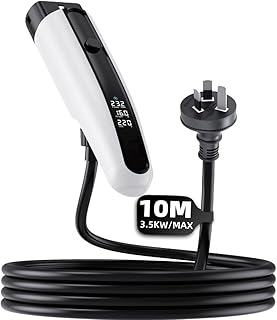
Utilizing renewable energy sources for camping, such as induction stoves powered by EVs, demonstrated the potential for sustainable travel practices. Collaborating with accommodation providers for convenient charging solutions showcased the adaptability and cooperation needed to facilitate EV travel.
Reflecting on the trip’s costs and charging experiences, the transition from traditional fossil fuel vehicles to EVs was evident in both the financial implications and the evolving infrastructure requirements. Navigating the evolving EV landscape highlighted the need for continued investment in charging infrastructure to support the growing demand for electric mobility.
As the EV market continues to expand, addressing charging infrastructure challenges and promoting sustainable travel practices will be crucial for enhancing the overall EV experience and encouraging more consumers to embrace electric vehicles.
📰 Related Articles
- GWM Cannon Alpha PHEV: Price Drop & Extended Range
- Explore Thailand’s Diverse Road Trips: Nature, History, and Culture
- Dog Owners Share Tips for Porsche Road Trips with Pets
- Discover Australia’s Winter Wonderland on Scenic Road Trips
- Affordable EVs by BYD, GWM, and MG Transform Australian Market