
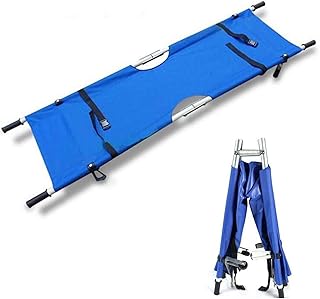
During a joint training exercise at Camp Kibaritan in Mindanao, Philippine medics shared innovative field techniques with Australian counterparts. Private Melissa Murray reflected on her approach to patient care, considering new methods for improvising stretchers and medical supplies in resource-constrained environments. The training aimed to enhance the skills of medical personnel from both countries, fostering a collaborative learning environment.
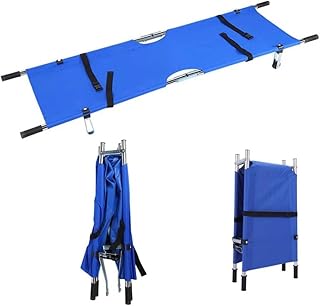
Private Murray observed the Filipinos’ resourcefulness in creating improvised medical equipment such as tourniquets and chest seals, crucial for managing mass casualties with limited resources. The exchange of knowledge between the two teams not only improved medical capabilities but also promoted cultural understanding and camaraderie among participants.
As part of the training program, a tactical-care-of-the-combat-casualty course was conducted, culminating in a realistic scenario involving the treatment of a pig carcass simulating a gunshot wound. This hands-on exercise challenged the medics to apply their skills under pressure, replicating the conditions they might face in a combat situation.
Medical officer Lieutenant Colonel Bob Worswick emphasized the importance of realistic training scenarios in preparing personnel for the challenges of battlefield medicine. The integration of Australian and Filipino medical practices showcased the value of cross-cultural exchanges in enhancing operational effectiveness and readiness.
Private Murray shared her experience of trying traditional Philippine cuisine, including Balut, a popular delicacy made from fertilized eggs. The cultural immersion aspect of the training program provided participants with unique insights into the local customs and traditions of the host country, fostering mutual respect and appreciation.
As part of the broader Joint Australian Training Team – Philippines (JATT-P) initiative, the exchange program facilitated interactions between Australian and Philippine military personnel, strengthening bilateral ties and interoperability. The program’s expansion in 2025 signifies a commitment to deepening defense cooperation and capability development between the two nations.
Through shared experiences and collaborative training exercises, the Australian Defence Force (ADF) and Armed Forces of the Philippines (AFP) continue to enhance their capabilities and build lasting partnerships. The exchange of expertise and best practices in medical training not only benefits individual participants but also contributes to the overall readiness and effectiveness of both military organizations.
📰 Related Articles
- Women’s Sheds Empower Australian Women Through Skill Building and Community
- Wavelink and N-able Partner to Enhance Australian Cybersecurity
- UK’s First Modern Construction Training Center Addresses Skills Gap
- Superannuation Changes Enhance Retirement Planning for Australian Workers
- Study Reveals Dark Traits Enhance Trustworthiness Through Facial Features